
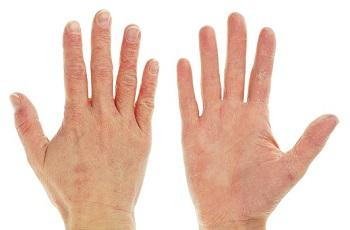
Do you have itchy, scaly rashes? If so, you could have eczema, a common skin condition that could be effectively treated by your dermatologist. Eczema is also called atopic dermatitis, and it can be caused by environmental factors, such as exposure to harsh chemicals. Dry skin can also affect your skin’s ability to form a barrier to allergens, which can lead to eczema. Another common cause of eczema is genetics. If someone in your family suffers from eczema, it increases your chances of developing eczema as well. Immune system problems can also cause eczema.
Both adults and children can develop eczema, however, children are most often affected, especially before they reach the age of five. Eczema develops into a chronic skin condition, with intermittent flare-ups. These flare-ups can often be accompanied by hay fever or asthma.
There are many common signs and symptoms of eczema, including:
Reddish-brown patches on your feet, hands, ankles, knees, chest, elbows, face, and scalp
Chronic, severe itching which often worsens at night
Inflamed, raw, red, sensitive, and swollen skin
Dry, cracked, scaly skin patches on various areas of your body
Bumps appearing on your skin which drain fluid and crust over later
For mild cases of eczema, there are a few simple home remedies you can try, including:
Taking over-the-counter antihistamine medications
Smoothing calamine or other anti-itch lotion over your skin
Applying moisturizer when you take a shower
Applying cool, wet dressings and bandages to affected areas
Taking a warm baking soda or oatmeal bath
Placing a humidifier in your home to moisten dry air
Wearing breathable, cool, cotton clothing
For moderate to severe cases of eczema, you should visit your dermatologist. There are several effective professional treatments your dermatologist may recommend, such as:
Prescription-strength oral and topical medications to stop itching
Antibiotic medications to eliminate any underlying infection
Oral or injectable anti-inflammatory medications to reduce swelling and pain
Corticosteroid dressings to reduce inflammation
Natural light or ultraviolet therapy to reduce or eliminate skin patches
You don’t have to suffer with eczema when relief is just a phone call away. Learn more about the causes, symptoms, and treatment of eczema by calling your dermatologist today!