
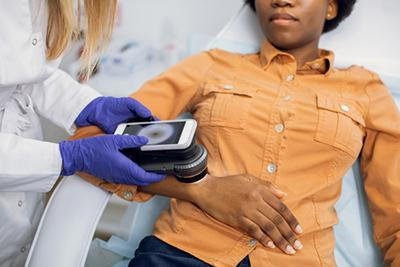
Understanding the Importance of Skin Cancer Screenings
The earlier skin cancer is detected, the easier it is to treat. The longer skin cancer is left untreated, the more difficult it becomes and the higher the risk of it spreading can be. Regular screenings allow for identifying suspicious moles or growths before they become serious.
Not all skin cancers present obvious symptoms, and changes in the skin can be subtle. A professional dermatologist can recognize the early warning signs of skin cancer that may go unnoticed by the untrained eye. Skin cancer screenings allow one to monitor moles and spots for any changes in size, color, or shape, which could indicate the presence of skin cancer.
Skin cancer screenings are simple, non-invasive, and take only a few minutes. During the exam, your dermatologist will check your skin from head to toe, looking for any suspicious spots or moles. If they find something concerning, they may perform a biopsy to determine whether the area is cancerous. Early detection minimizes the need for more invasive treatments later on.
Regular screenings help detect skin cancer and educate patients about prevention. Your dermatologist can also discuss other ways to reduce your risk of skin cancer, such as using proper sun protection and learning how to perform self-examinations at home.