
How Warmer Weather Affects the Skin
Higher temperatures and increased humidity often cause the skin to produce more oil and perspiration. While some individuals experience improved hydration during warmer months, others may notice clogged pores, increased shine, or acne flare-ups.
Additional outdoor exposure may also increase contact with ultraviolet radiation, environmental pollutants, and allergens that can affect overall skin health.
Switching to Lighter Skin Care Products
As humidity rises, heavier creams used during colder months may begin to feel overly thick or greasy on the skin. Many individuals benefit from transitioning to lighter moisturizers or non-comedogenic skincare products that provide hydration without contributing to clogged pores.
Choosing products appropriate for individual skin type helps maintain better balance and comfort as seasonal conditions change.
The Importance of Daily Sun Protection
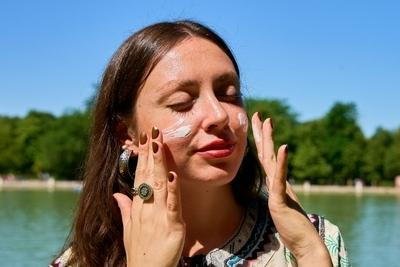
Sun protection remains one of the most important parts of a healthy skincare routine throughout the year, especially during periods of increased outdoor activity. Daily sunscreen use helps reduce the risk of sun damage, premature aging, uneven pigmentation, and skin cancer.
Broad-spectrum sunscreen, protective clothing, and limiting excessive ultraviolet exposure all help support long-term skin health.
Managing Acne and Breakouts
Sweating and increased oil production during warmer weather may contribute to breakouts for some individuals. Gentle cleansing routines and avoiding overly harsh scrubbing may help reduce irritation while keeping the skin clean.
Patients who experience persistent acne flare-ups may benefit from dermatologic evaluation to determine whether prescription treatments or professional skincare adjustments are appropriate.
Supporting Sensitive or Dry Skin
Even during warmer months, some individuals continue experiencing dry or sensitive skin due to environmental irritants, allergies, swimming, or air conditioning exposure. Maintaining hydration and using gentle skincare products may help protect the skin barrier and reduce irritation.
Patients with chronic skin conditions such as eczema or rosacea may also notice seasonal changes in symptom patterns.
Why Dermatologic Guidance Can Help
Because every person’s skin responds differently to seasonal changes, professional guidance may help patients select products and routines better suited to their skin type and concerns. Dermatologists evaluate skin texture, oil production, sensitivity, and existing skin conditions when recommending skincare adjustments.
This personalized approach helps support healthier skin throughout changing environmental conditions.
Supporting Healthy Skin Year-Round
Seasonal skincare adjustments help support skin comfort, hydration, and long-term skin health as weather conditions change. Paying attention to how the skin responds during warmer weather allows individuals to make informed choices that reduce irritation and protect against environmental damage.
Consistent skincare habits and preventive dermatologic care remain important throughout every season.