
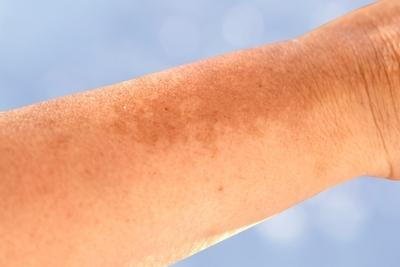
Changes in skin color can be frustrating, especially when dark spots or patches seem to linger long after an injury, breakout, or sun exposure. Hyperpigmentation is a common skin concern that affects people of all ages and skin types. Understanding what causes uneven skin tone and the treatment options available can help individuals make informed decisions about their skincare and overall skin health.
What Is Hyperpigmentation?
Hyperpigmentation occurs when certain areas of the skin produce excess melanin, the pigment responsible for skin color. This increased pigment production can lead to dark spots, patches, or areas of discoloration that appear darker than the surrounding skin.
The condition may affect small areas or larger sections of the body and can vary in severity. While hyperpigmentation is generally not harmful, many people seek treatment for cosmetic reasons or to achieve a more even skin tone.
Common Causes of Uneven Skin Tone
Several factors can contribute to hyperpigmentation. Sun exposure is one of the most common causes because ultraviolet rays stimulate melanin production. Over time, this can result in sunspots or areas of discoloration.
Other common causes include acne, skin injuries, inflammation, hormonal changes, and certain medical conditions. In some cases, hyperpigmentation develops after the skin heals from irritation or trauma, a process known as post-inflammatory hyperpigmentation.
Treatment Options Available
The most effective treatment depends on the underlying cause and severity of the pigmentation. Dermatologists may recommend topical medications, prescription creams, chemical peels, laser treatments, or other procedures designed to reduce excess pigment and improve overall skin tone.
Professional evaluation is important because not all forms of discoloration respond to the same treatment approach. A customized plan can help achieve better results while minimizing the risk of additional irritation.
The Importance of Sun Protection
Protecting the skin from sun exposure is one of the most important steps in preventing and managing hyperpigmentation. Daily use of sunscreen helps reduce further pigment development and supports the effectiveness of treatment.
Additional protective measures, such as wearing hats and seeking shade when possible, can also help limit sun-related skin damage and maintain a more even complexion.
When to See a Dermatologist
Persistent discoloration, changing skin lesions, or pigmentation that does not improve with over-the-counter products may warrant professional evaluation. A dermatologist can determine the cause of the pigmentation and recommend appropriate treatment options based on individual skin needs.
Understanding hyperpigmentation is the first step toward healthier, more even-looking skin. With proper diagnosis, treatment, and sun protection, many individuals can successfully manage uneven skin tone and improve their skin’s overall appearance.